










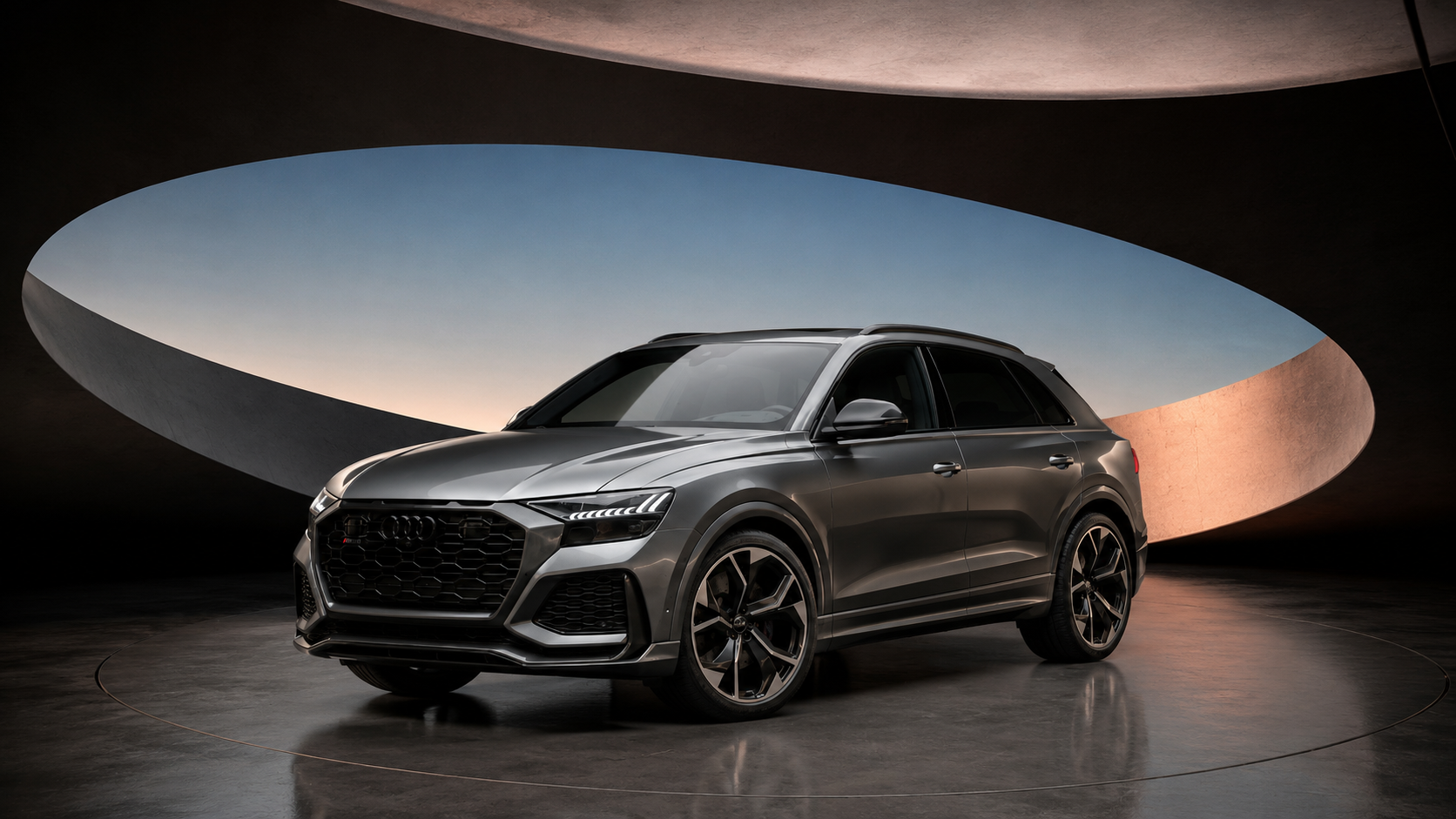

Investment Management
A well-chosen car can behave like an asset — appreciating with rarity, holding value against inflation, and diversifying a portfolio built mostly of paper. We manage that side of ownership: liquidity, timing, and risk, model by model.
Liquidity Assessment
Before a car enters a portfolio, we assess how easily it can be resold — auction depth, buyer pool, and time-to-sale — so liquidity is known, not assumed.
Market Outlook
We track auction results, production numbers, and collector demand to build a working view on where value is likely to move.

Portfolio Strategy
Each acquisition is weighed against what you already hold — segment, era, and value band — to build a collection that spreads risk instead of concentrating it.

Alternative Asset Class
Physical, tangible, and largely uncorrelated with equities — a car portfolio moves on its own market logic.
Value Retention Analysis
We favour models with a documented record of holding value — limited runs, low production, and lasting collector demand.
Risk Diversification
Spread across segments, eras, and price bands, so a single model's performance does not define the portfolio.
Ongoing Reporting
Regular valuation updates and market context for every car you hold, so decisions are made on current information.
Vehicle values are shaped by market conditions, condition, and provenance, and can move in either direction. Past performance and market outlooks are not a guarantee of future value — all figures are discussed individually and are not published as fixed returns.
Plan your portfolio
Every collection is different. Let's go through liquidity, risk, and outlook for the cars you are considering.